


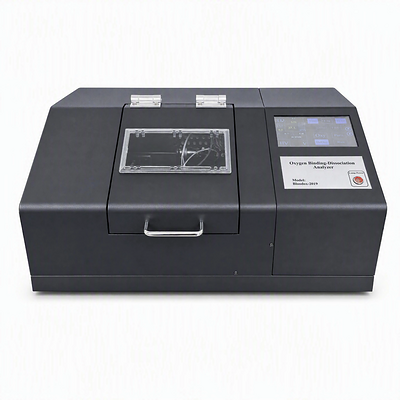
The Bloodox-2019 Oxygen Binding–Dissociation Analyzer continuously records hemoglobin oxygen binding and release across a range of oxygen partial pressures. It generates oxygen-binding and oxygen-dissociation curves and calculates P50, the Hill coefficient, and other parameters for assessing oxygen affinity and oxygen transport characteristics. Suitable for whole blood, red blood cell lysates, hemoglobin solutions, hemoglobin-based oxygen carriers, and related samples.
1. Key Features
1. Direct PO₂ Measurement with a Clark Oxygen Electrode
2. Dynamic Oxygen Binding and Release Profiles
3. Microliter-Scale Sample Requirement
4. Compatible Samples
- Whole blood · Red blood cell lysates
- Hemoglobin solutions
- Hemoglobin-based oxygen carriers
- Other samples requiring assessment of hemoglobin oxygen binding and release
5. Integrated Control for Reproducible Testing
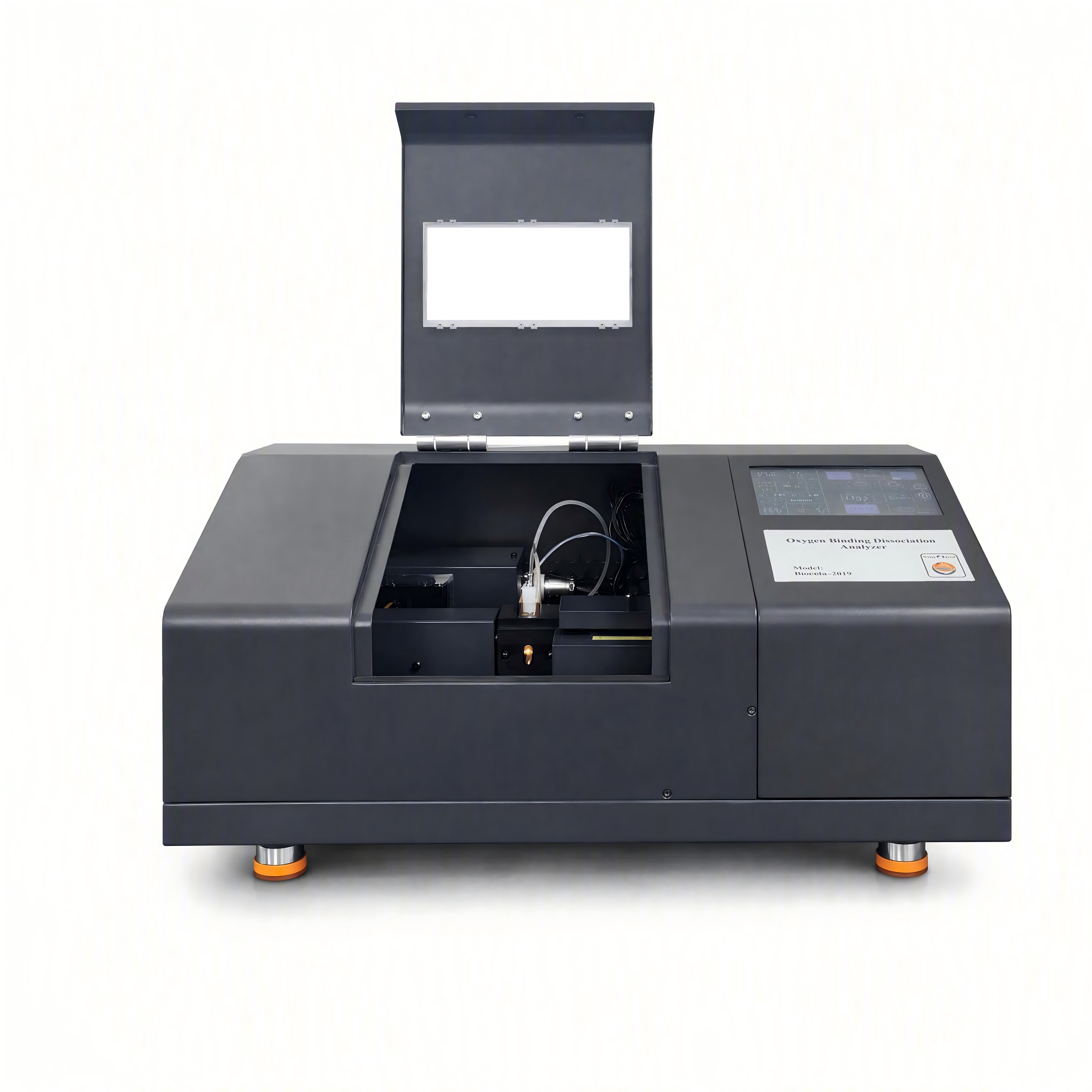
(1) Precision Gas-Flow Control
(2) Precision Temperature Control
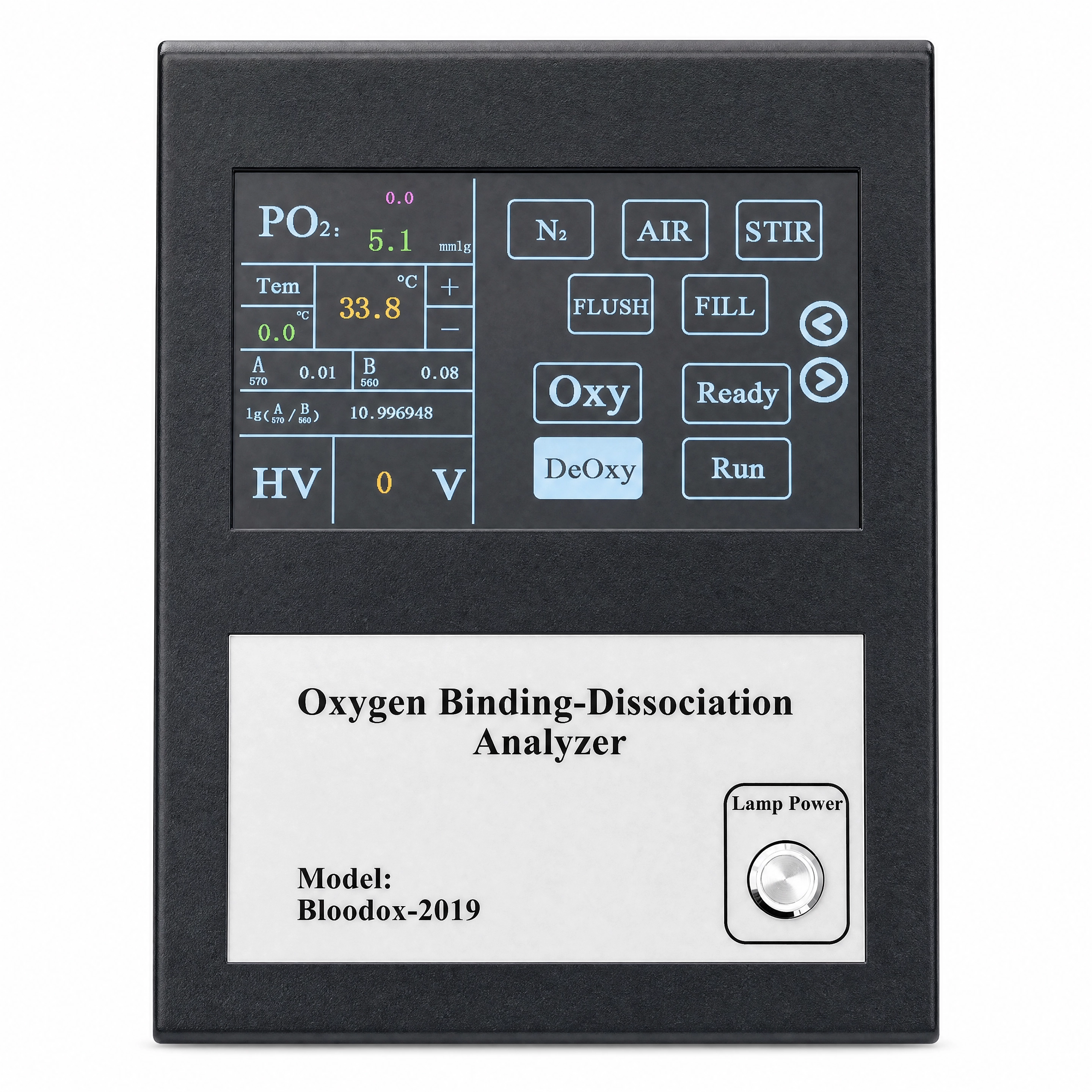
(3) Centralized Touchscreen Control
- Air / nitrogen selection
- Gas-flow settings
- Oxygenation / deoxygenation
- Sample aspiration
- Sample discharge
- Real-time PO₂ monitoring
- Real-time temperature monitoring
- Centralized control reduces repetitive manual steps and supports a more consistent workflow.
2. Measurement Principle
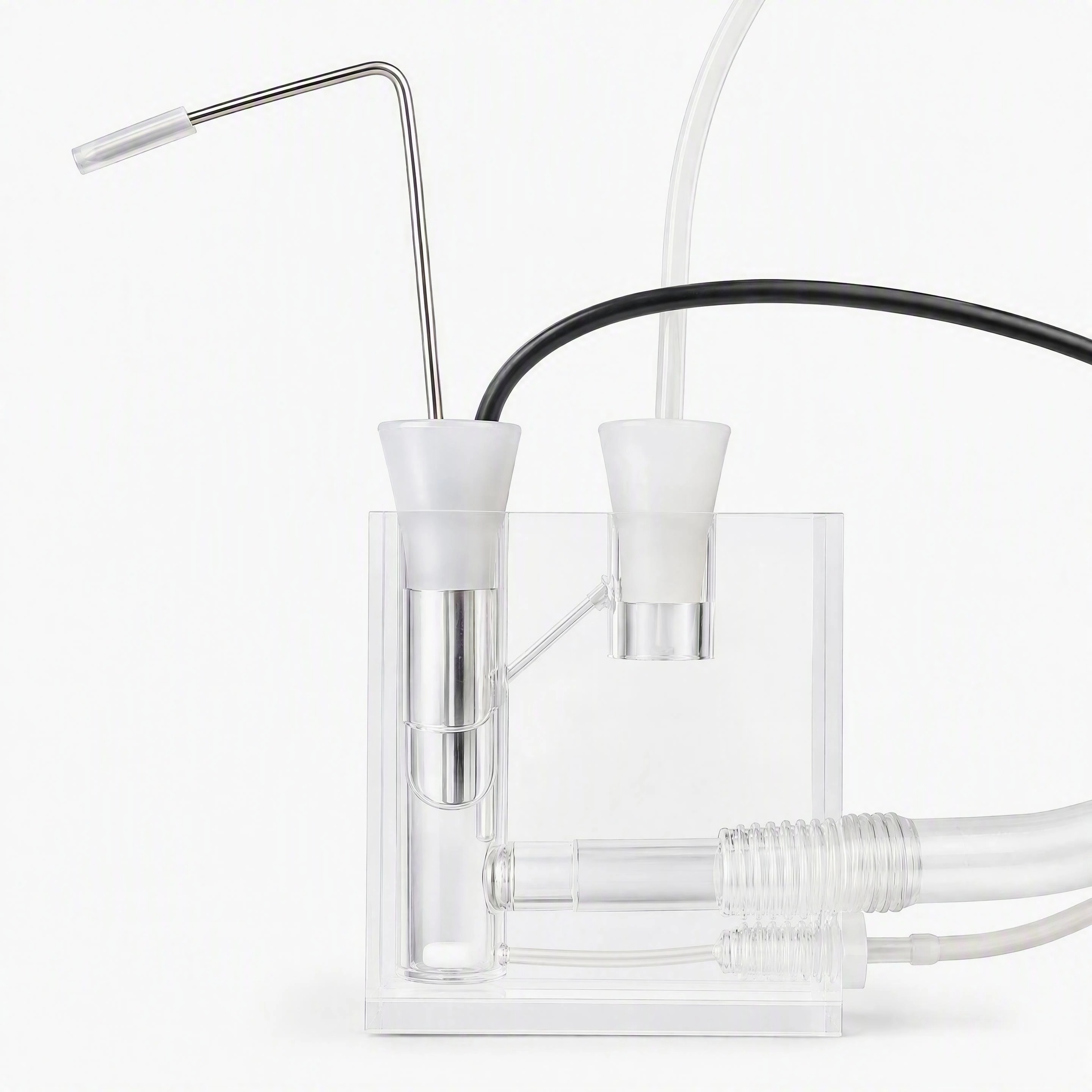
3. Sample Chamber
- Automatic sample aspiration
- Air / nitrogen delivery
- Sample discharge
- Minimizes manual handling during testing.
4. Data Analysis
1. Oxygen-Binding and Oxygen-Dissociation Curves
The software displays hemoglobin oxygen binding or release in real time as PO₂ changes. Processing options include:
- Raw Curve
- Translation
- Smooth
- LineFit
- Zero-Completion
- Raw-data export
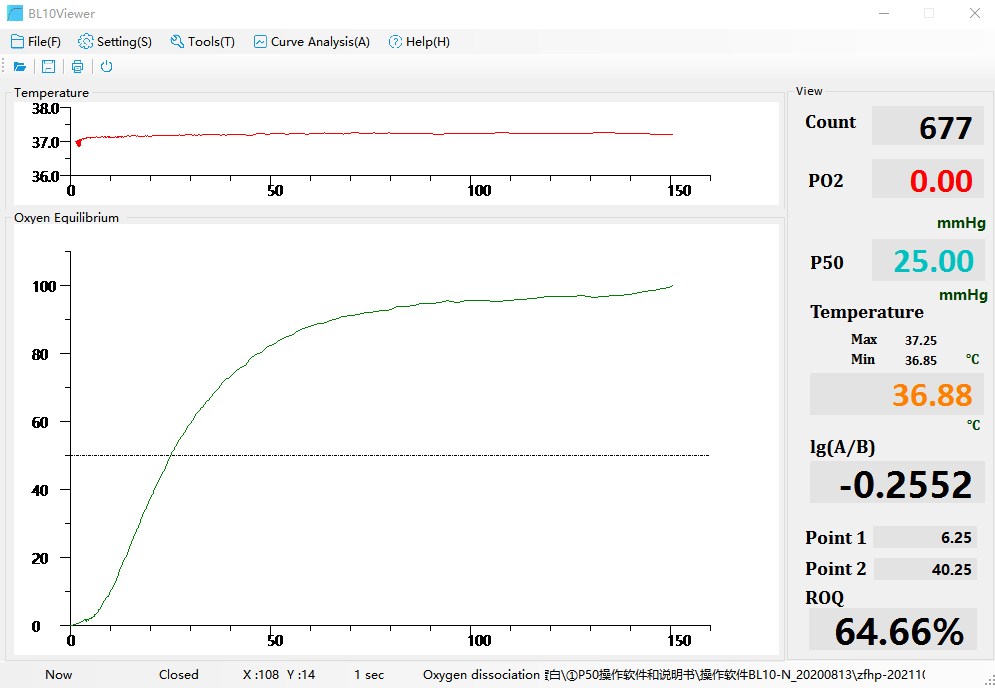
2. P50
The oxygen partial pressure at which hemoglobin reaches 50% oxygen saturation. P50 is a key indicator of hemoglobin oxygen affinity.
In general:
Higher P50 Lower oxygen affinity and a greater tendency to release oxygen
Lower P50 Higher oxygen affinity and a greater tendency to bind oxygen
3. Hill Coefficient
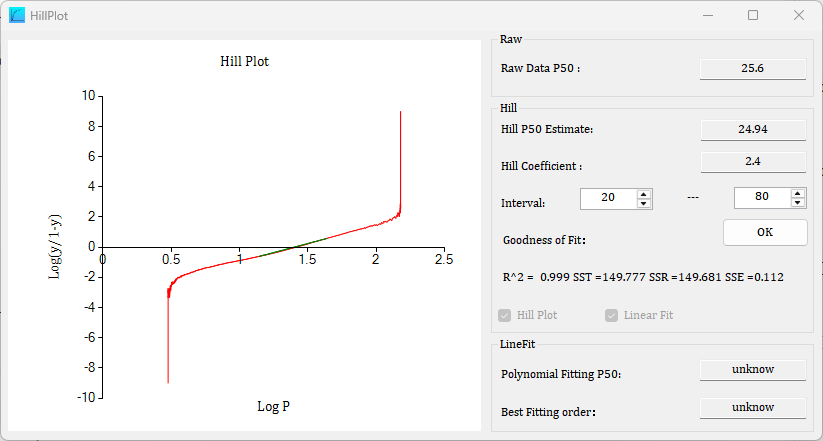
The Hill equation is used to assess cooperativity in hemoglobin–oxygen binding and to compare oxygen-binding characteristics across samples or test conditions.
4. ROQ
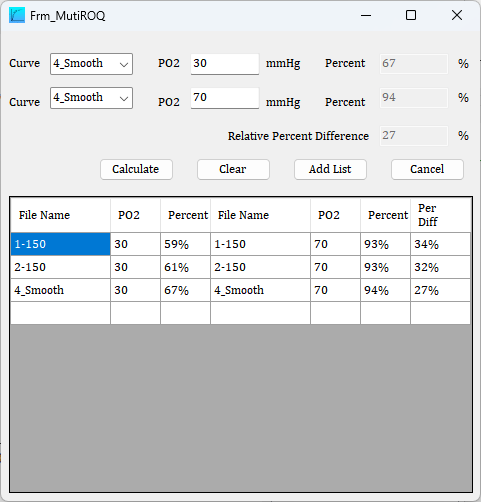
Calculates the difference in oxygen saturation between any two selected PO₂ values, revealing changes in hemoglobin oxygenation across a defined PO₂ range.
5. Multi-Curve Comparison
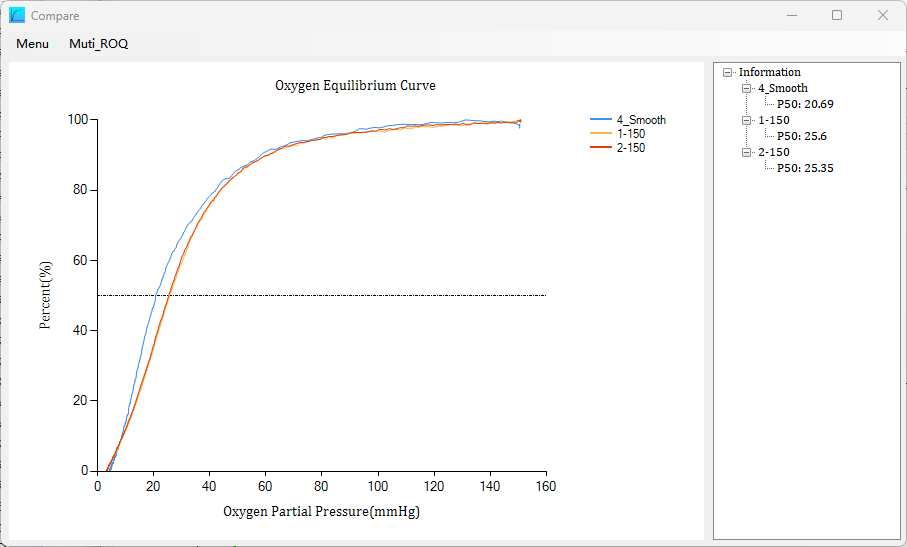
Display multiple test curves simultaneously to compare:
- Leftward / rightward curve shifts
- Changes in P50
- Changes in oxygen affinity
- Oxygen-binding characteristics
- Oxygen-release characteristics
- Differences between test groups
5. Applications
1. Red Blood Cell Oxygen-Transport Research
- Assessment of oxygen binding and release in whole blood
- Red blood cell oxygen-affinity studies
- Studies of changes in red blood cell function
2. Blood Storage Research
- Changes in red blood cell function during storage
- Effects of storage conditions on oxygen binding and release
- Effects of processing methods on hemoglobin oxygen affinity
3. Hypoxia and High-Altitude Research
- Changes in hemoglobin oxygen affinity at high altitude
- Mechanisms of adaptation to hypoxia
- High-altitude-related changes in red blood cell function
4. Fundamental Blood Research
Supports evaluation of hemoglobin oxygen-transport function in research related to erythrocytosis, hyperviscosity, hemolysis, thrombosis, and other blood conditions.
5. Hemoglobin and Oxygen-Carrier Research
- Hemoglobin functional assessment
- Evaluation of hemoglobin-based oxygen carriers
- Effects of formulation and processing conditions on oxygen binding and release
6. Software
BL10 Data Acquisition Software
For experiment monitoring, parameter display, and raw-data acquisition.
BL10 Viewer Data Analysis Software
For curve processing, parameter analysis, and comparison of test results.
7. System Components
Bloodox-2019 includes the following modules:
- Dual-wavelength optical detection system
- Clark oxygen electrode
- Sample chamber
- Gas-flow control system
- Temperature-control system
- Temperature sensor
- Magnetic stirring system
- Electronic control module
- Touchscreen control system
- Data acquisition and analysis software
8. Technical Specifications
|
Item |
Specification |
|
PO₂ measurement |
Clark oxygen electrode |
|
Hemoglobin measurement |
Dual-wavelength spectrophotometry |
|
Gases |
Air / nitrogen |
|
Gas-flow setting range |
0–20 mL/min |
|
Measurement temperature |
37 ± 0.1 ℃ |
|
Sample requirement |
Approx. 3–6 mg hemoglobin |
|
Communication interface |
Serial-to-USB |
|
Power supply |
AC 110–240 V,50/60 Hz |
|
Main unit dimensions |
64 × 40 × 32 cm |
|
Data acquisition software |
BL10 |
|
Data analysis software |
BL10 Viewer |
References
- Zhong, X., et al., Hb-O2 affinity parameters as prognostic factors for 28-day mortality in ARDS patients: A prospective study. Medicine in Novel Technology and Devices, 2026. 29: p. 100418.
- Wang, L., et al., Hemocompatibility Evaluation of PEGylated Bovine Hemoglobin. International Journal of Molecular Sciences, 2026. 27(3): p. 1262.
- Shu, P., et al., Spermine: A Hemoglobin Modifier That Reduces Autoxidation and Regulates Oxygen Delivery. International Journal of Molecular Sciences, 2026. 27(3): p. 1197.
- Chu, Z., et al., Simulated Oxygen Supply Efficiency Assessment to Represent Stored Red Blood Cells Quality. Life, 2026. 16(2): p. 205.
- Sheng, M., et al., Hemoglobin Oxygen Affinity Does Not Change in the Canine Model of Moderate Acute Normovolemic Hemodilution. ACS Omega, 2025. 10(36): p. 41620-41629.
- Sheng, M., et al., Lysine Lactylation of Hemoglobin Promotes Oxygen Release in Red Blood Cells. ACS Omega, 2025. 10(21): p. 21889-21907.
- Li, Q., et al., Staphylococcus aureus β-hemolysin impairs oxygen transport without causing hemolysis. Virulence, 2025. 16(1): p. 2490208.
- Cui, T., et al., 3′ UTR-truncated HMGA2 promotes erythroblasts production from human embryonic stem cells. Stem Cells Translational Medicine, 2025. 14(1): p. szaf001.
- Zhang, L., et al., Preliminary Study on Polymerization between Hemoglobin and Enzymes during the Preparation of PolyHb-SOD-CAT-CA. Doklady Biochemistry and Biophysics, 2024. 518(1): p. 463-474.
- Yu, H., et al., An ex vivo method to evaluate vasoactivity induced by hemoglobin-based oxygen carriers in resistance vessels. Front Bioeng Biotechnol, 2024. 12(1376806): p. 2024.
- Shu, P., et al., Cefmetazole sodium as an allosteric effector that regulates the oxygen supply efficiency of adult hemoglobin. Journal of Biomolecular Structure and Dynamics, 2024. 42(14): p. 7442-7456.
- Meng Weicheng, C.Y.W.Y.A.N.N.L.I.U.Z.W.U.X.W.F.H.U.X., The Impact of Reduced Bisphosphoglycerate Mutase(BPGM)Enzyme Activity in Sensitized Red Blood Cells on Oxygen Carrying/Releasing Capacity. JOURNAL OF CLINICAL TRANSFUSION AND LABORATORY MEDICINE, 2024. 26(3): p. 308-314.
- Zhao, B., et al., Effect of roxadustat on red blood cell lifespan in patients with long-term haemodialysis: a single-centre, prospective, single-arm study. Clinical Kidney Journal, 2023. 16(9): p. 1500-1507.
- Zhang, F., et al., An extra-erythrocyte role of haemoglobin body in chondrocyte hypoxia adaption. Nature, 2023. 622(7984): p. 834-841.
- Xu, L., et al., Generation of Rh D-negative blood using CRISPR/Cas9. Cell Proliferation, 2023. 56(11): p. e13486.
- Liu, R., et al., The Preliminary Study on Preparation Technology of PolyHb-SOD-CATCA - The Effects of Different Extractants. Current Pharmaceutical Biotechnology, 2023. 24(15): p. 1928-1937.
- Li, B., et al., PEG-conjugated bovine haemoglobin enhances efficiency of chemotherapeutic agent doxorubicin with alleviating DOX-induced splenocardiac toxicity in the breast cancer. Artificial Cells, Nanomedicine, and Biotechnology, 2023. 51(1): p. 120-130.
- Chu, Z., et al., Resveratrol, a New Allosteric Effector of Hemoglobin, Enhances Oxygen Supply Efficiency and Improves Adaption to Acute Severe Hypoxia. Molecules, 2023. 28(5).
- Zhang, H., et al., Phenoxyaromatic Acid Analogues as Novel Radiotherapy Sensitizers: Design, Synthesis and Biological Evaluation. Molecules, 2022. 27(8).
- Zhang, G., et al., Preliminary Intermittent Hypoxia Training Alleviates the Damage of Sustained Normobaric Hypoxia on Human Hematological Indexes and Cerebral White Matter. High Altitude Medicine & Biology, 2022. 23(3): p. 273-283.
- Wang, L., et al., Remote ischemic conditioning enhances oxygen supply to ischemic brain tissue in a mouse model of stroke: Role of elevated 2,3-biphosphoglycerate in erythrocytes. J Cereb Blood Flow Metab, 2021. 41(6): p. 1277-1290.
- Kanagarajan, S., et al., Production of functional human fetal hemoglobin in Nicotiana benthamiana for development of hemoglobin-based oxygen carriers. International Journal of Biological Macromolecules, 2021. 184: p. 955-966.
- Chu, Z., et al., The P(50) value detected by the oxygenation-dissociation analyser and blood gas analyser. Artif Cells Nanomed Biotechnol, 2020. 48(1): p. 867-874.